


This page Hustle Spotlight Questions and answers include 41 -year -old Scott Hattis from Brooklyn, New York. Hattis is the general director and the entrepreneur at the back LoisaThe Latin brand of food and kitchen was a co -founder in 2018 with her friend Kenneth Luna.
Picture of credit: Courtesy of Lois. Scott Hattis, on the left and Kenneth Luna, to the right.
Hattis and Luna built Loisa as a lateral hustle and bustle before and after work and on weekends in the early days of the brand. The brand moved from the two -rol line, which sent about five orders a day to one of USD 70,000 annual sales-then sales exceeded $ 130,000 in just three days in 2020, when the general director of a large Spanish food company took a political attitude with which many consumers won’t agree. Now, full -time hours in full -time, full -time -hour sales hours and sells about 75,000 pieces a month. Over the past six months, this has also doubled in Amazon.
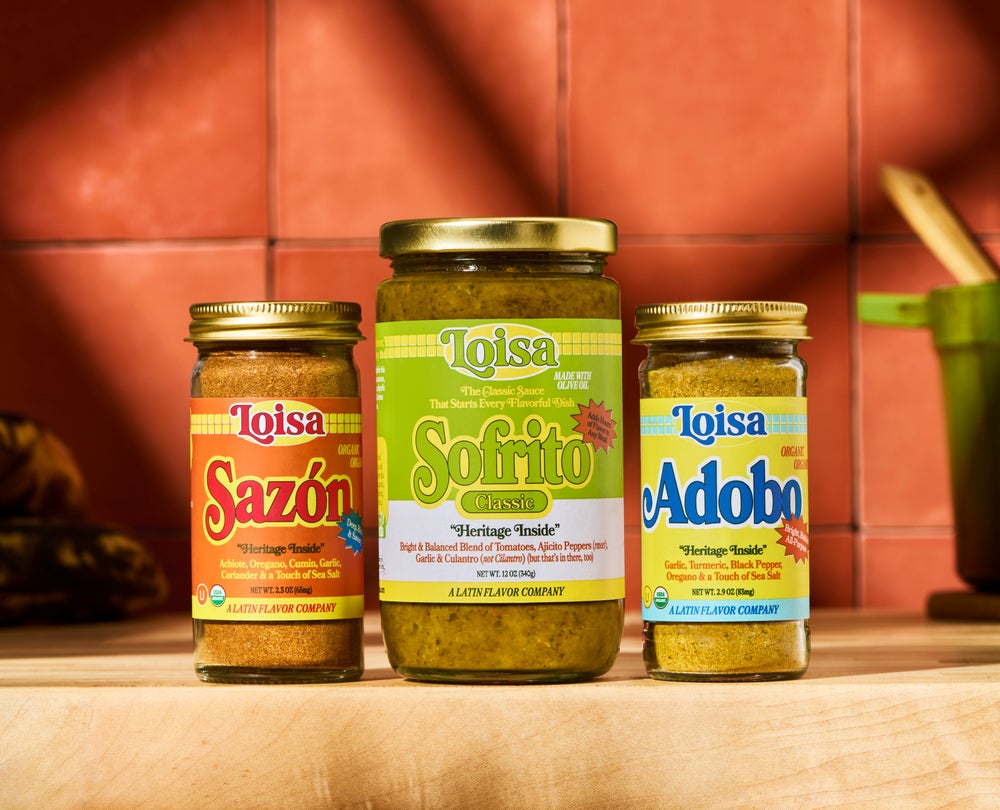
Image loan: Courtesy of Lois
The answers were edited in terms of length and clarity.
Do you wish to read more such stories? Subscribe Money producersOur free newsletter filled with creative ideas aside and successful strategies. Register here.
What was your day by day work or basic occupation when you began your lateral hustle and bustle?
When we began Loisa, I worked in the marketing of brands and products on the agency’s side. I spent over a decade in space, helping to build brands in CPG, technology, clothing and others, and I knew that I wanted to make use of this experience to build something of my very own – something that seemed personal and purposeful.
When did you begin your side hustle and bustle and where did you discover inspiration for it?
In 2018, I began Loisa with my co -founder, Kenneth Luna. The inspiration got here from the motivation, which we felt in our own homes and I believed that hundreds of thousands of others were shared-that Latin dishes were sold with artificial colours and ingredients, and there needed to be more natural options for home cooks. This idea was not intended to create a higher version of what was already on the shelves. These iconic mixtures were completely natural before large food was taken over and we only restored them. But in general, we desired to honor Latin flavors and culture with commitment only in real ingredients and cultural integrity, while at all times making our clients. Thanks to this basis, we decided to build a brand based on the community.
What were some of the first steps you took to gather your site from the ground? How much money/investment required launch?
We built the brand in the margins – early mornings, late nights and weekends. We began with small ones. We developed the initial mixes in our kitchens based on what we were ready with before we acquired a production partner open to work with emerging brands. Early financing got here from our own pockets. We probably spent below $ 20,000 live the first series of products. We focused on proving demand and building a brand that folks can feel pleased with supporting.
Initially, we sent about five orders a day, but for us it was nothing. We were proud and we received a great opinion from our customer base. Then in 2020 all the things modified. A big food brand took a public position, with which many people in the Latin community disagreed, which in turn placed Loisa on the map as an alternative. We have increased our sales throughout the 12 months in just three days. It was the emphasis I needed to depart the consultation and go full -time for Loisa.
Are there any free or paid resources that were particularly helpful for you to start out and run this business?
The conversation with other founders was by far the most beneficial “resource”. The CPG community, especially the founders of other Latin brands, was generous and open. We also relied on Slack groups resembling CPG startup to seek out resources in various business needs. Podcasts like As I built it He helped the inspiration of things.
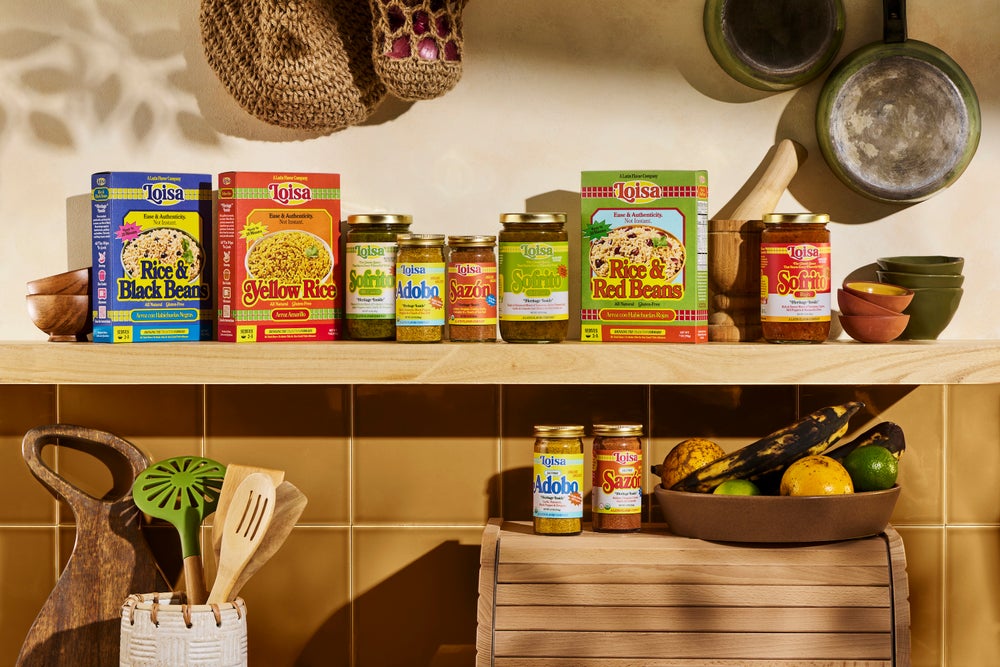
Image loan: Courtesy of Lois
If you might return to what you are promoting trip and change one process or approach, what would it not be and how do you regret that you’ll not do it otherwise?
Earlier I might invest in a stronger operational infrastructure-only part-time support. As a founder, you frequently wear every hat. Looking back, attempting to manage supplies, orders, customer support and marketing leading on your personal slow growth. Earlier delegation would decelerate the capability to think more strategically.
As for this specific business, what you think is particularly difficult and/or surprising that folks who enter this type of work needs to be prepared, but probably are not?
Wrestling and demand forecasting, because we quickly scale ourselves in retail trade, was difficult, especially with long implementation and changing schedules of shops. We are consistently trying to take care of a balance between projections and reality, without leaning too far in each directions.
Do you remember a specific case when something went very mistaken? How did you fix it?
We began in retail trade with too much packet size, which implies the variety of units in each case that we sold to each store. Especially in terms of resembling spices and sauces (in comparison with drinks or fries, which move much faster from the shelf), the larger packaging size puts us in a smaller position in terms of winning latest independent retail sellers, because bringing us was a higher expense on its part. It also meant that we needed to pay more product costs for “free filling”, which regularly corresponds to one full case of each product variant, no matter the variety of units contained in them. Needless to say, our packet size is now fewer units by accident.
How long did it take you with a coherent monthly revenues? How much did the lateral hustle and bustle earn?
The first few years were modest. Sales reached a latest bottom line when we began to devote full -time business. Since then, revenues have increased consistently, especially with our expansion in retail.
What does growth and revenues seem like now?
Today we are a company with multi -year, with domestic retail distribution and a strong company Amazon and DTC. We focus on growth, which implies strategically expanding to more major retailers throughout the country. Loisa has doubled her growth in Amazon over the past six months and we sell about 75,000 pieces per 30 days in channels.
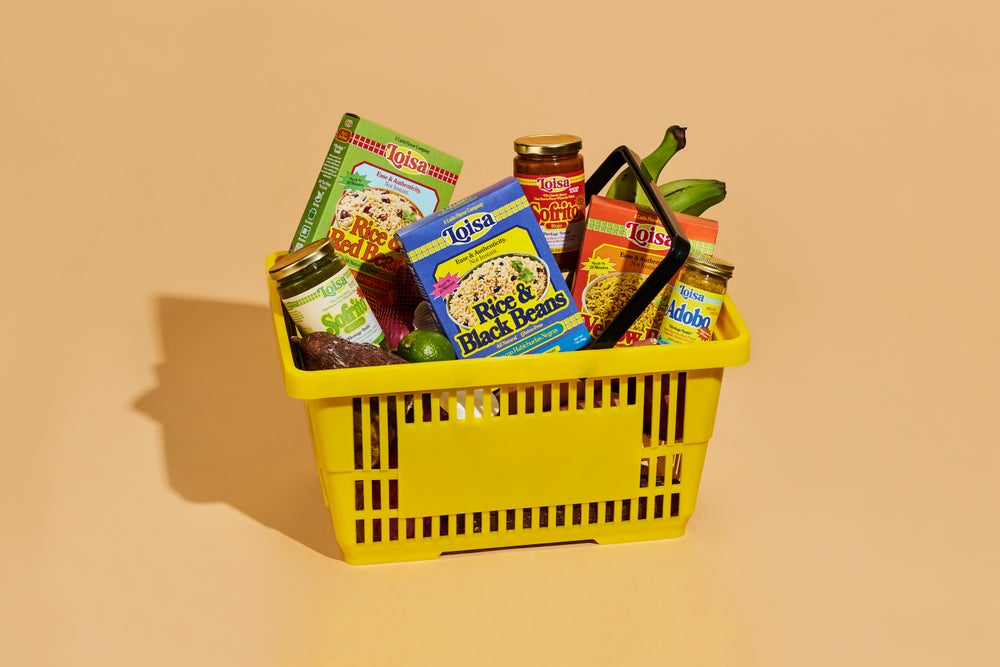
Image loan: Courtesy of Lois
How much time do you spend at work in your organization every day, every day or every month? How do you structure this time? What does a typical day or week of labor seem like for you?
This is filled with hours, and then a little. I often shared my time between strategic planning, team management, partner meetings, sales meetings and fires. Each day is different, but our team tries to book a week, connecting on Mondays and considering together on Fridays.
What do you want best about running this business?
People. Regardless of whether it is our team, customers or partners, the most satisfying is contact with individuals who share the same love for culture and food and is excited about building something higher. Seeing our products in the kitchens of individuals (or their children in kitchens) and hearing that our flavors remind people of home or family … That’s what it is about and makes labor price it.
Big or very small, what is your best, useful business advice?
Don’t attempt to do it yourself and find individuals who did it before. Call the phone and ask for half-hour. Regardless of whether or not they can assist you to now or in the future, the value will return 100%.