


Growing up in Toronto, Canada, Tanya TaylorNow the founder of her name brand of women’s clothing and the brand of second evening clothing, DelphineShe didn’t really know that she could build a profession in fashion, she said. However, as someone from a “very enterprising” family, she all the time dreamed of running their very own business.
Picture loan: Courtesy of Tanya Taylor. Tanya Taylor.
“I considered it for sure that our dinner table conversations have always concerned small companies, people you work with, the values you have in your work and how satisfying, when you can build a company,” says Taylor.
This foundation led her to review financing at the University of McGill, but Taylor couldn’t shake “creative itching” she felt to hitch the fashion world. So Taylor moved to New York, where she didn’t know anyone at that point, and followed the Parsons Aas fashion design program – after which “the whole world changed”.
Taylor worked for several years for Mary-Kate and Ashley Olsen with his contemporary brand Lifestyle, Elizabeth and James.
“What I found to be so inspiring and I still like to think today, how personal their design process was,” recalls Taylor, “how working for women -a founder who creates a product for a client with whom they might really consult with, whether at age or just lifestyle, we felt fun implausible;
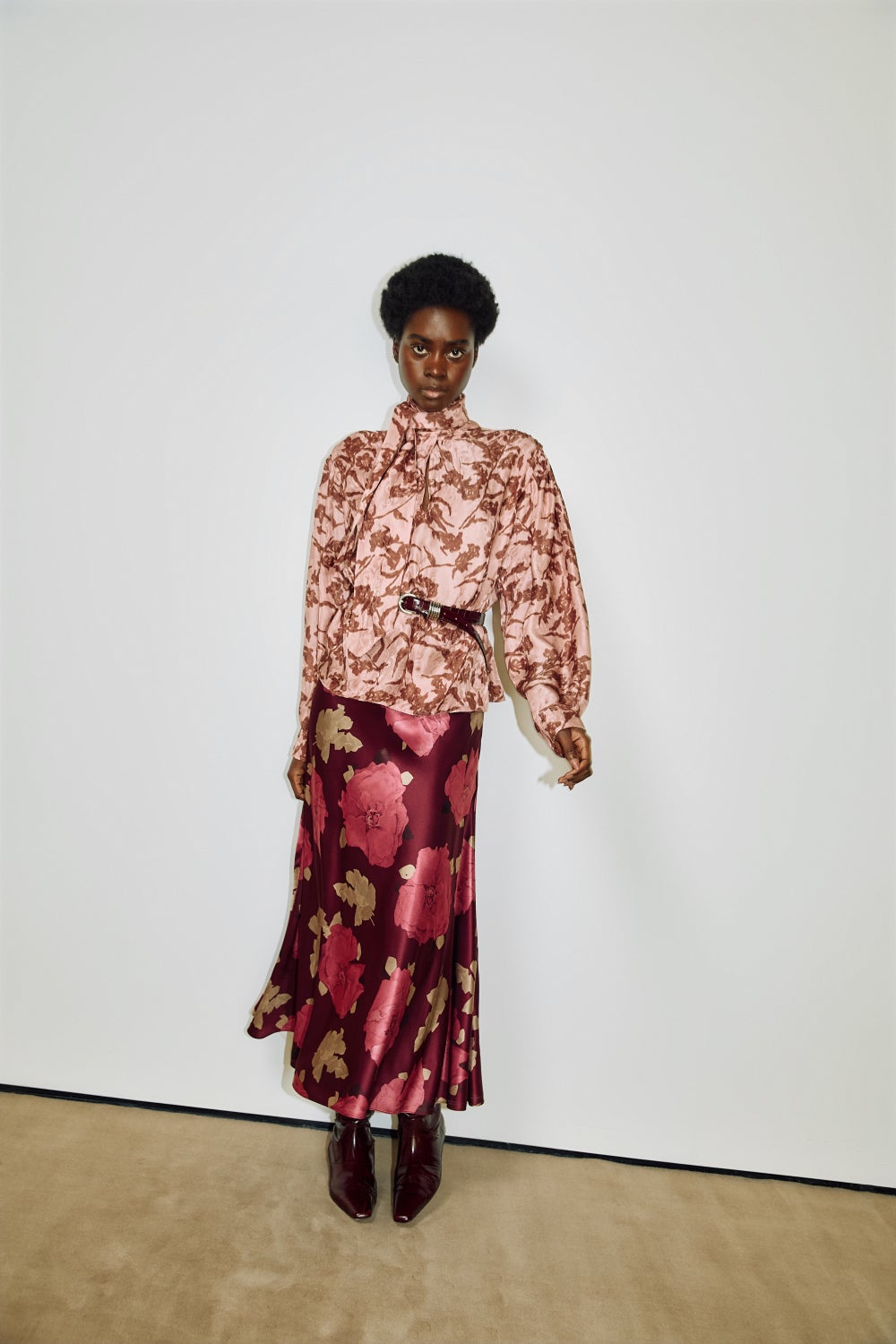 Image loan: Courtesy of Tanya Taylor
Taylor decided to marry what she learned in a business school with growing experience in the fashion industry. She recognized the gap on the market for the “expressive, integration, joyful brand”, which seemed as if it was designed by someone who desired to be near the customer.
Although Taylor admits that she was “naive” when she leaned to the fashion founder, her involvement in establishing a company that might be “adaptive to the market.” The namesake of Taylor’s namesake grew out of one worker in 2012 to a team currently numbering about 40 people. Last 12 months, the brand recorded $ 25 million gross revenues, and the increase in net sales exceeded 40%.
“I wanted to bring a different pace and give myself a different creative playground.”
Last 12 months, Taylor also branched for evening clothing along with the launch of her second brand Delphine.
“I wanted to bring a different pace and give myself another creative playground that represented another side of my friends, of myself and what I saw on the market,” says Taylor. “I am 39 years old and it was very difficult for me to find dresses to go to all events that I have in my life that was not too young or too sexy. I lacked elegant sophistication that I could find.”
(*3*)Image loan: Courtesy of Delphine
Of course, a decade plus there have been significant changes in the fashion industry between the introduction of the first and second Taylor brand.
Entrepreneur She sat down with Taylor to learn more about how building her first brand and adapting to industry changes shaped her continuous development strategy and a recent brand, Delphine.
1. Retail sales remain useful among the changing landscape
As a young designer without a network in New York, Taylor staged an eye-catching fashion show in the Agnes Gund lobby with details “Kooky”-as bartenders with trays serving trays transporting golden fish in glasses next to atypical drinks-to create a “magical, surprising small world”.
The wholesaler was a option to start when Taylor put on her first brand, and Moma’s show successfully got it to the door. Saks Fifth Avenue expressed interest, noticing the “longevity” of Taylor’s ideas and how the brand didn’t feel like one “chasing trends”. Saks became the first seller of Taylor, and Bergdorf Goodman shortly after.
Many corporations needed to fight the decline in physical retail over the past decade. However, brick stores record a revival, and luxurious brands are increasingly investing in flagship stores, Vogue Business Reported In 2022, in 2023, Tanya Taylor opened her first flagship store for Madison Avenue in New York. The store was profitable in the first 12 months and has a 40% return of customers.
Taylor is looking forward to relying on the flagship presence of his company.
“This is what retail is exciting for me,” says the founder. “We have better chances [connect with] People. Every day at 18:30 we receive this novel from our store about every person who came in: a small story about where they come from, why they decided to buy or not, what is happening to my sister. It’s very interesting to feel personally attached to the people you designed. This is what drives me and feels like the future of both brands. “
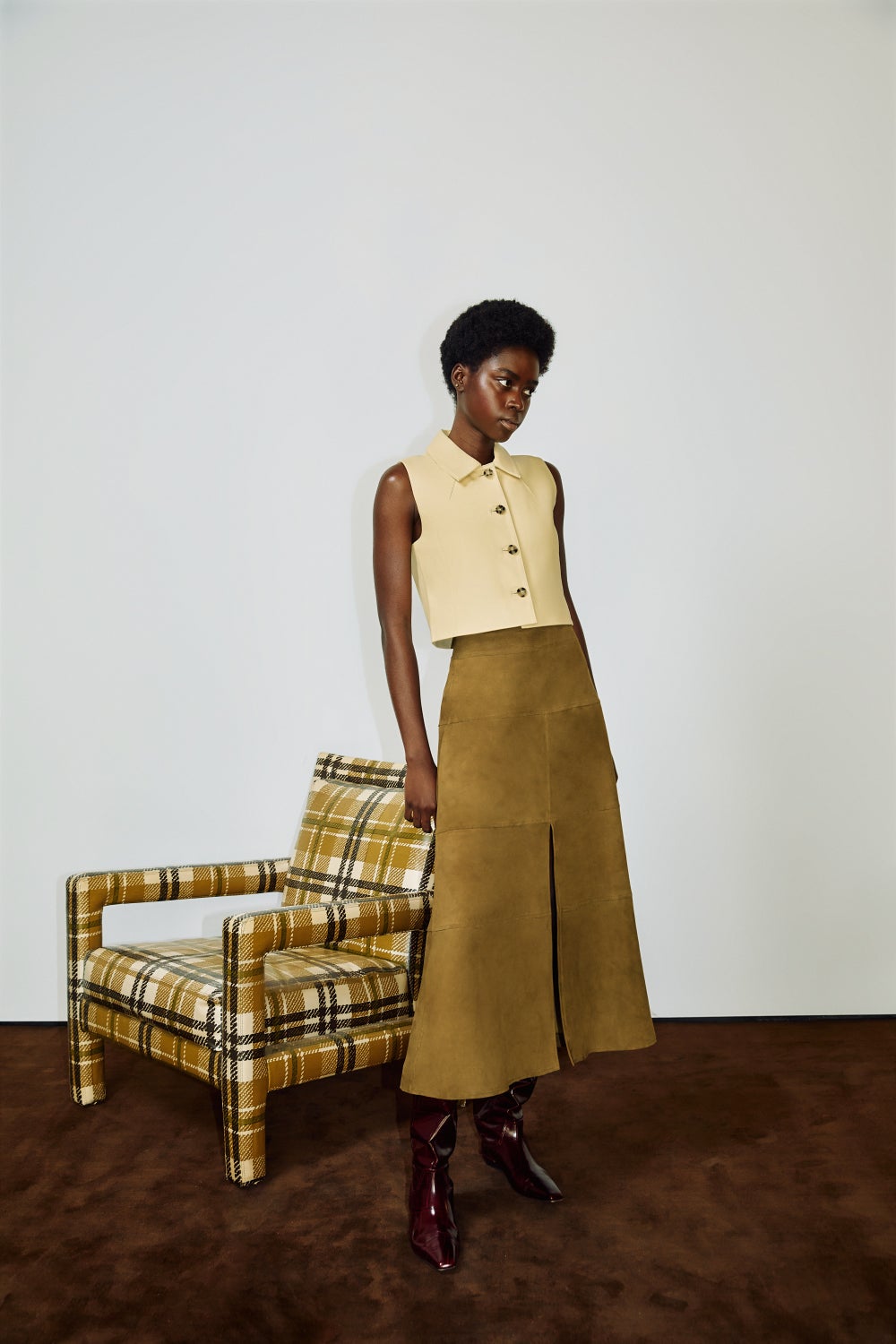 Image loan: Courtesy of Tanya Taylor
2
The first Taylor brand was financed and stays like that; Currently, he makes the same move with Delphine.
Although sometimes the challenge and financing allows Taylor to speculate in himself and its team fully and ensures flexibility in putting the brand values first and considering long -term wins in comparison with short -term advantages, says the founder.
In addition, self -sufficiency prevents brands from accepting a “voice supported by private equity”. This is particularly vital, taking into account their separate personalities – the “happy” first brand, “accessible” ethos in comparison with “emotionally driven, emotional, more mischievous”.
Despite the differences between these two brands, Taylor approaches each his voices and marketing strategies with a similar “skin”, which in her opinion is the key to connecting with clients and standing first.
3. Direct commitment to customers means more possibilities
The increase in marketing on to the consumer translates into a recent occasion to “having relationships with the client,” says Taylor.
Delphine works with some “amazing sellers”, but the presence of the brand online and in the Madison Avenue store serves as a likelihood to “return to the basics” and asking vital questions: How to get client? How to excite her?
Social media is of course one other option to do this. Influential marketing didn’t exist after the launch of Tanya Taylor; Now it is often the client’s first contact point with the brand.
“This seems to be a huge change in the industry,” says Taylor. (*2*)
In addition, social media, especially Instagram, allow Taylor greater than ever to interact with clients – and includes it, responding to many DMS. “I ask people questions,” says Taylor. “I am very excited about quick learning. I love crowdsourcing opinions and as a designer who is like a sponge, so satisfying was seeing a change in access.”
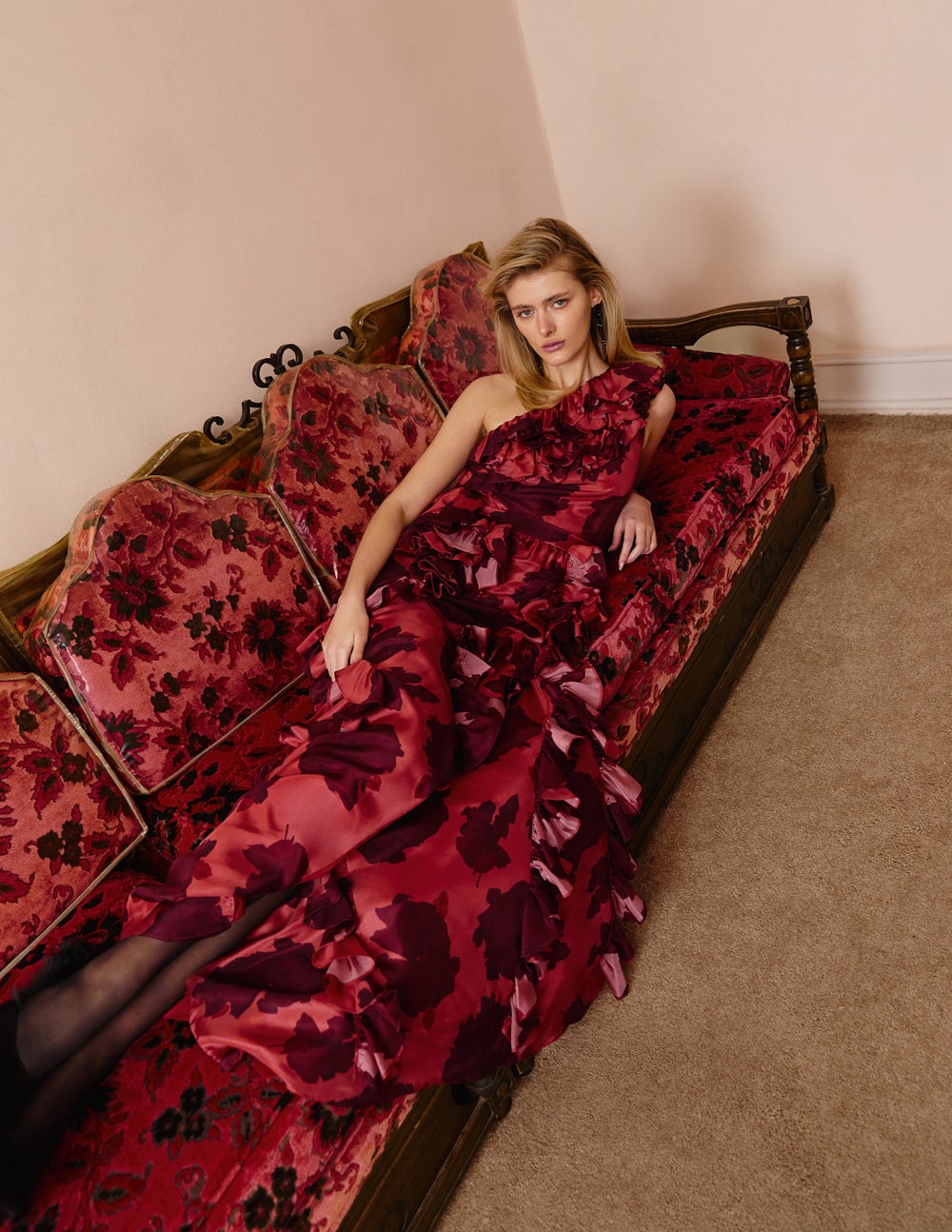 Image loan: Courtesy of Delphine
As a two-time fashion founder in an era, in which e-commerce and social media have completely transformed the industry, Taylor has helpful advice for every entrepreneur who hopes to succeed in the industry: discover what makes you distinguished, and that is the individuals who consider this distinction, regardless of whether professors, industry professionals.
“It was really very important to me,” says Taylor. “[It] It helped me feel confidence. Entrepreneurship is a mental game. When you set off, many people love it and want to continue, but you need to find ways to maintain strong and creativity, and this through the community. “
This article is part of our current series of women entrepreneurs, emphasizing the stories, challenges and triumphs of running a company as a woman.